Closer to Taxi Driver than Beautiful Boy
“Addict’s Way is one of those books… Right from the start, we’re introduced to Peter Panelli at one of the lowest points in his life—cooking crack in an alley near Dodger Stadium while his wife Cheryl is giving birth. It’s a shocking scene …” ⭐⭐⭐⭐⭐ Amazon Reviewer
Addict’s Way has been compared to The Basketball Diaries, A Million Little Pieces, Of Mice and Men, and The Glass Castle. And Stephen Liosi has been widely compared to Bukowski, Selby Jr., Steinbeck, and Denis Johnson. “The truth always derails,” Liosi says.
This is the true story of Stephen Liosi’s alter-ego, Peter Panelli—the disbarred lawyer and law professor who ended up homeless and cooking crack in an alley near Dodger Stadium while his wife gave birth.
If you want a clean, uplifting recovery story, look somewhere else. This is a brawl. It’s the blood, the self-loathing, and the dark, biting laughs that come when a man finally sees the beautiful mess he made.
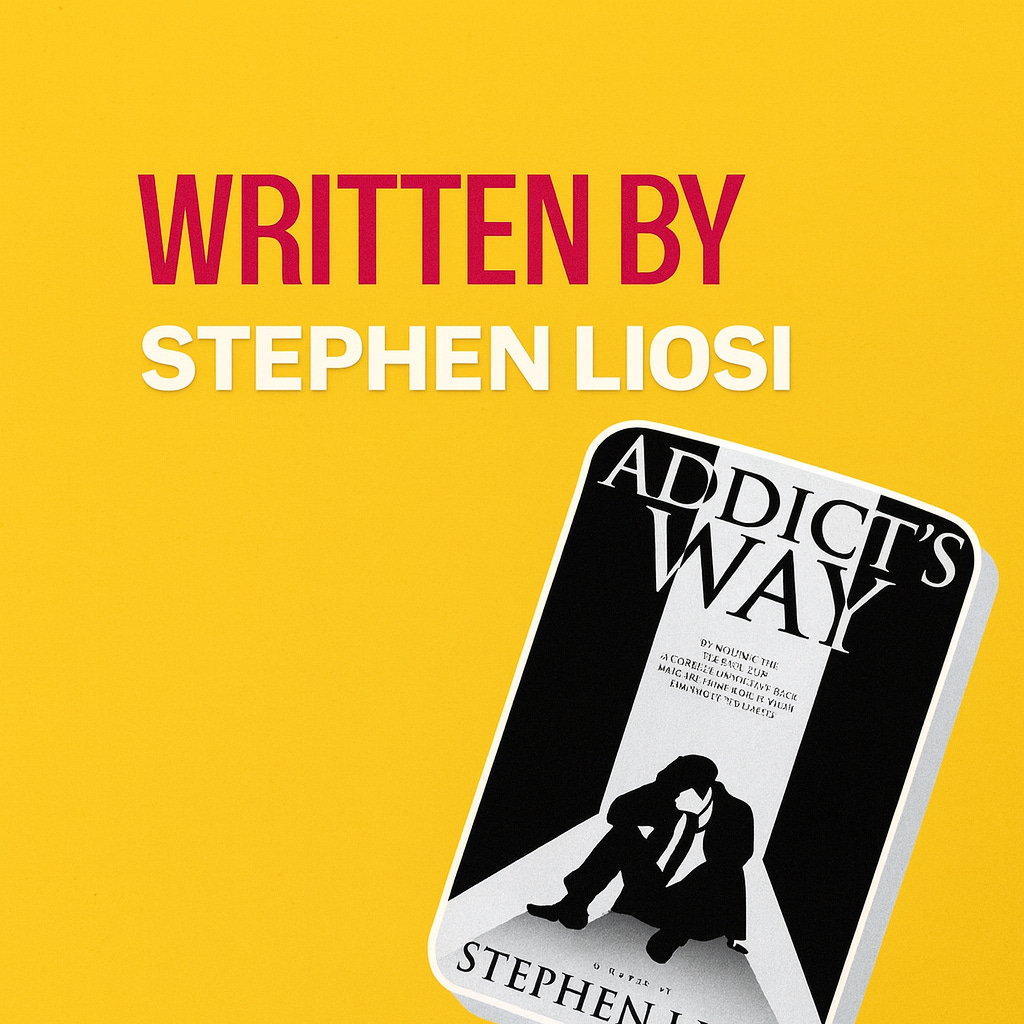
ADDICT’S WAY
The core hook of Addict’s Way is highly unique: A former law professor finds himself living in a crack house—not as a user, but as a man drowning in the wreckage of a compulsive gambling habit, keeping company by naming the crack house cockroaches after his family. That’s the raw, surreal core of Addict’s Way.
It’s an uncompromising anti-memoir following a disbarred attorney spiraling through the dark underbelly of addiction, street survival, and the deletion from a few million-dollar family trust by a malignant-narcissist sister.
4.7 ⭐ Global Rating / Get Your Copy Now 👉 Addict’s Way
The Verdict from the Underbelly
So far: 70+ Reviews on Amazon — 4.7 Star Average | 59 Reviews on Goodreads — 4.73 Star Average. Tell a friend. Thank you very much.
“The dialogue flows well… It goes through modern events and struggles—I like the quote: ‘COVID is going to kill us all. Elon Musk wants to build condos on Mars. And everything is Whitey’s fault.’ …A book of meaning and power where even the simple things become hard.” — ⭐⭐⭐⭐⭐ Amazon Reviewer
“This book provides a great insight into the life of an addict. The book reads as if you were dropped directly into Peter’s life… While it has plenty of struggle, it stays focused on the day-in, day-out, mundane things of life. I think that gives this book meaning and power.” — ⭐⭐⭐⭐⭐ Amazon Reviewer
“Like Anthony Bourdain, Liosi is a breathtaking storyteller.” — Laura LeVan — ⭐⭐⭐⭐⭐ Amazon Reviewer
“This book reads like a movie.” — Rob Swigart, novelist — ⭐⭐⭐⭐⭐
“As mad as a box of frogs.” — Anonymous — ⭐⭐⭐⭐⭐
“Bukowski lives!” — Robert Turada — ⭐⭐⭐⭐⭐
This is Liosi.
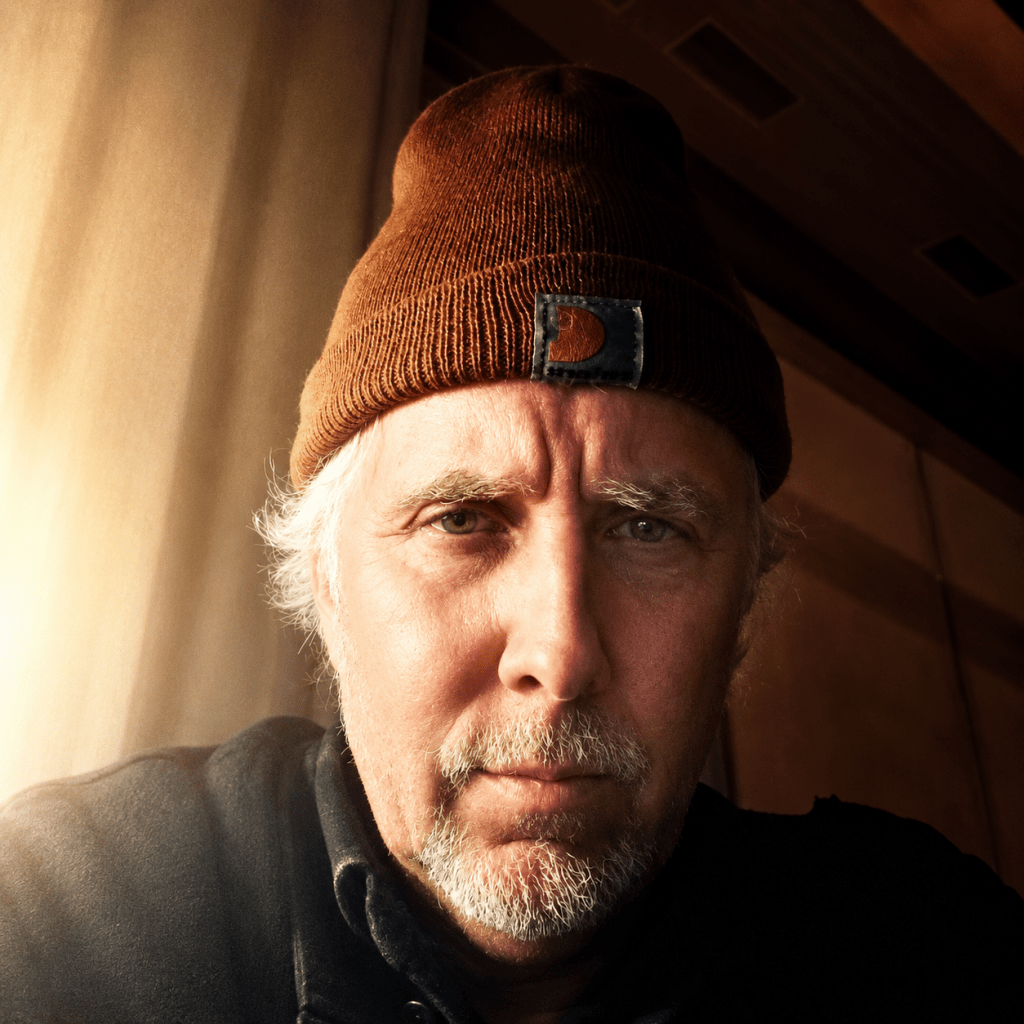
Stephen Liosi is an independent author (“Indie Author”) and former attorney and law professor. Always despising his career as an attorney (lawyers suck, judges suck, clients especially suck), a series of shitty events — including being adopted from an orphanage at 5-months old into a tribe of malignant narcissists, a traumatic brain injury, a severe gambling addiction, and time spent living on the street — turned his focus from the courtroom to writing, something he’s done since he was 8-years old. Early on, he immersed himself in Bukowski, Hemingway, Steinbeck and Updike. Today, many reviewers have noticed these influences in his writing. He’s been widely compared to Bukowski, Selby Jr., Steinbeck, and Denis Johnson.
Liosi writes dark, razor-sharp, counter-culture stuff that doesn’t give a fuck about how it’s received or perceived. His debut novel, Addict’s Way, is a first-person addiction narrative closer to Taxi Driver than Beautiful Boy. It has been compared to The Basketball Diaries, A Million Little Pieces, Of Mice and Men, and The Glass Castle.
He lives and loves in San Diego and eats every meal in a restaurant, with scotch and beer always nearby. He uses Microsoft Word. He stays the fuck out of his stories: He doesn’t tell the reader how to think or how to feel. He was fortunate enough to find his writing voice in his teenage years but did nothing with it. He was sent veering off-course by bad parenting intent on keeping him down and away from his dreams.
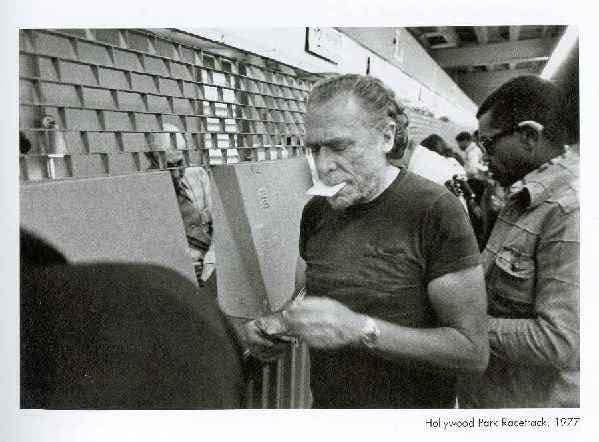
P.S. Yes, he was a personal acquaintance of “Hank” Bukowski at Hollywood Park Racetrack back in the 1980s. They only talked about betting on horses, but Bukoswki knew Liosi wanted to be one of the ones. Anyway, Liosi’s voice isn’t an act.
4.7 ⭐ Global Rating / Get Your Copy Now 👉 Addict’s Way


